
Injuries Caused by Poor Home Maintenance in Older Properties
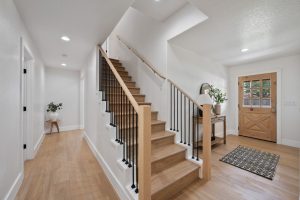 Older homes have charm and character. Unfortunately, that original flooring, period craftsmanship, and sense of history can also come with a bit more than an owner bargains for. What’s hidden behind walls or quietly deteriorating over time can become major problems and hazards. When these problems go unchecked, there’s a chance of getting hurt.
Whether you are a tenant, a guest, or an owner, when someone gets hurt, an “old house issue” becomes a legal matter.
When maintenance becomes neglect
Properties age, and maintenance is required to keep them safe. A loose step doesn’t immediately mean an owner has been neglectful of their property, but a step that’s been reported multiple times and never fixed is a different issue.
The law does not require perfection from property owners, but it does expect reasonable care. This means addressing hazards before they become dangerous, especially when people are living in or regularly visiting the property. In older homes, the margin for error is smaller than it is with a new build. Wear and tear happen faster, and small problems can escalate quickly. Ignoring the property can become a liability issue.
Common injuries in poorly maintained properties
Poorly maintained properties are home to a wide variety of hazards.
- Broken railings can cause a tenant to fall down a staircase
- Visitors may trip on uneven flooring that has shifted for years
- Someone can get an electrical shock and/or burn because of outdated or exposed wiring
- Long-term water damage may cause a ceiling to collapse
- Mold can build up behind walls and air vents, leading to respiratory issues that may not show up immediately and worsen over time
These accidents result from problems that were visible (or discoverable) long before anyone got hurt.
Who is responsible?
Determining who is responsible for a person’s injuries on a property usually comes down to the person or entity who is in control of the property at the time of the injury. For instance, if a landlord owns a building and is responsible for repairs, they can be held liable for injuries caused by dangerous conditions they know about, or should have known about, and failed to repair.
The “should have known” part is important, and works a bit like getting caught speeding when you didn’t actually know the speed limit. Just because an owner isn’t aware of a hazard doesn’t mean they cannot be held liable. If the hazard was obvious, previously reported, or ongoing, that argument doesn’t work.
For tenants renting a property, responsibility is typically limited to areas under their control. Tenants may be liable if they create a hazardous condition or fail to address a known danger within their control. However, if someone (like the tenant) creates a hazard by making unauthorized changes or ignoring a problem they caused, that might shift the liability to their side.
Ultimately, the case hinges on who was aware of the hazard, when they knew about the hazard, and what they did about it.
What needs to be proven
A premises liability claim needs to prove a few key facts. First, the person bringing the claim must prove that a dangerous condition existed on the property. Second, there must be proof that the owner of the property knew or should have known about the condition. Third, a claimant must prove that the owner failed to fix the dangerous condition within a reasonable amount of time. Fourth, the failure of the owner to fix the condition led directly to the injury.
Property owners may argue that the condition isn’t dangerous or that it developed so quickly they didn’t have time to address it. Their insurer may claim that the injured person was at fault, or that their injury isn’t as serious as it is. Evidence is needed to strengthen a claim and protect the injured party from a lowball settlement offer. Massachusetts follows a modified comparative negligence rule, meaning compensation may be reduced if the injured person is partially at fault, and barred entirely if they are more than 50% responsible.
The role of evidence
Cases that involve older properties rarely rely solely on one person’s version of what happened. Instead, they rely on photographic evidence. Photographs of the dangerous condition, both before and after the incident, can help make a huge difference. Other key pieces of evidence in a premises liability case can include:
- Maintenance records for the property
- Inspection reports, emails, and text messages showing prior complaints
- Medical records that tie a person’s injury to the property hazard
In some cases, expert evaluations may help to explain how a condition existed or should have been addressed. Solid evidence helps substantiate a claim and protect the rights of accident victims.
What injured residents can recover
When someone gets hurt because a property wasn’t maintained as it should have been, they usually have unexpected expenses that add up quickly. Medical bills, depending on the severity of the injury, may be ongoing. In many cases, an injury completely disrupts a person’s life, leaving them unable to work or care for themselves.
A personal injury claim can seek compensation to cover losses like medical expenses, lost wages, pain and suffering, and reduced earning capacity. Unfortunately, collecting compensation to make ends meet can be difficult when insurers and their teams of attorneys are involved.
The legal process, in plain terms
For most people, a personal injury claim is a once-in-a-lifetime process that is unfamiliar and overwhelming. From the moment an injured person files a claim, the insurance company will begin to collect evidence to support its bottom line. That means they are actively looking for ways to shift blame and pay the least amount of money possible to settle the claim.
If a fair resolution cannot be reached, the next step may be to file a lawsuit. That doesn’t necessarily mean that a case will go to trial, but it does mean the parties will need to prepare for one. Cases that are built on a strong foundation with experienced legal guidance tend to be taken more seriously, even in early negotiations.
Trusted legal guidance after an accident
Preventable issues in older properties sometimes lead to real injuries. These aren’t situations that injured parties should have to handle on their own. The Law Offices of Gerald J. Noonan has spent decades handling cases like these in Massachusetts and holding the right parties accountable. If you’ve been hurt and need to file a claim or need help with a claim that has been denied, contact our office today to find out how we can help.